
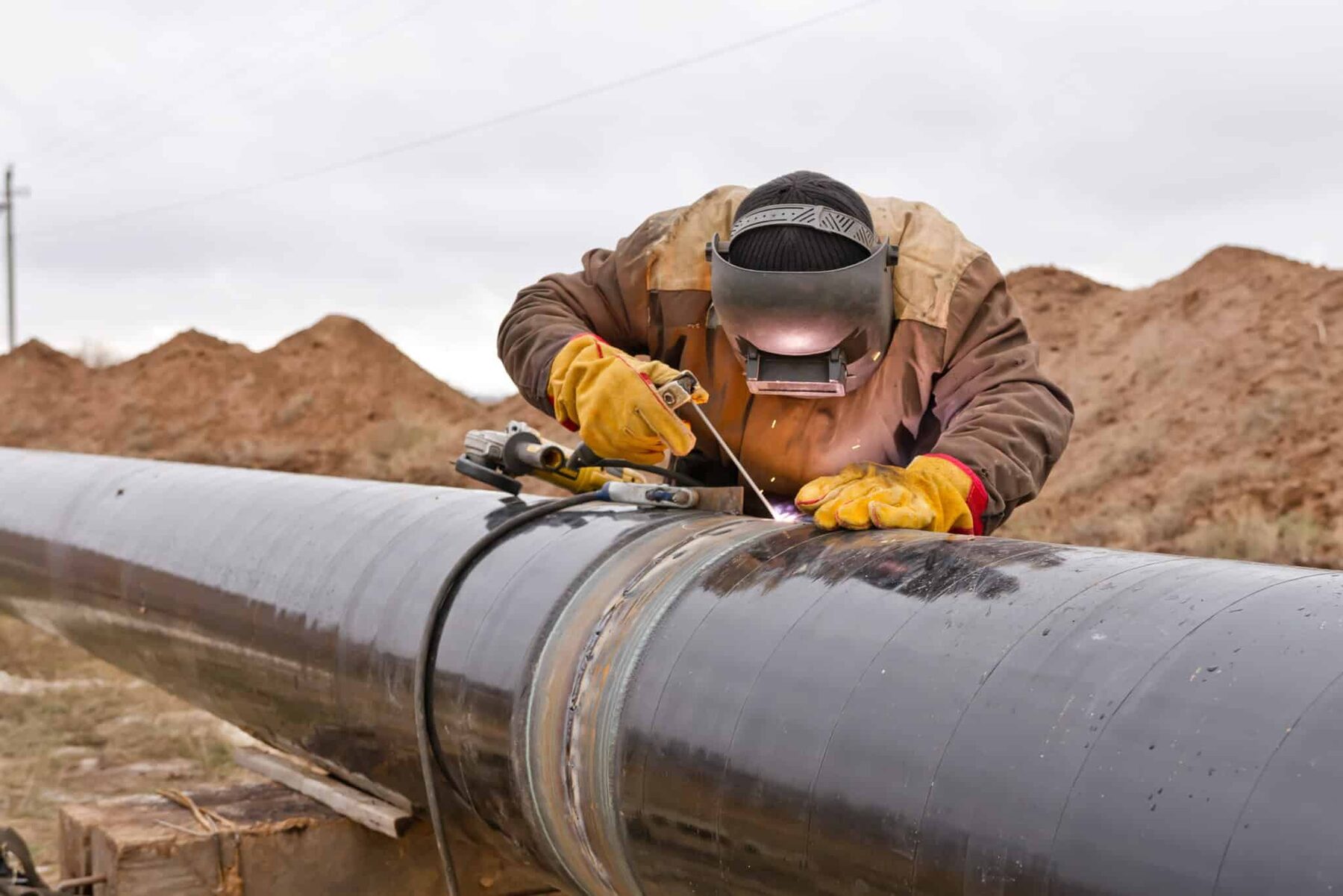
Campus-Wide Steam Trap Survey & Condensate Repair
Over 600 steam traps surveyed and tagged, failed traps replaced and condensate return rebuilt — recovering a substantial share of lost steam and make-up water.
- Traps surveyed
- 600+
- Found failed
- Roughly one in five
- Buildings
- Multiple, campus-wide
- Program
- Annual re-survey ongoing
What made it hard
The campus had a central steam plant with distribution to more than a dozen buildings and no trap inventory of any kind. Make-up water consumption had climbed for years, several buildings had chronic water hammer, and nobody could say where the losses were.
Steam losses are invisible on a utility bill until someone quantifies them, so the first job was producing defensible data rather than selling repairs.
How we executed it
We surveyed every accessible trap with ultrasonic and thermal instruments, tagged each one with a unique ID, and built a database recording location, type, size, application, condition and failure mode.
Findings were prioritized: blow-through failures first because they waste live steam continuously, then failed-closed traps causing water hammer and coil damage, then undersized or wrong-type installations that would fail again regardless of replacement. Condensate receivers and return lines were repaired where returns were being lost entirely.
The trap database was handed over and folded into an annual re-survey under the maintenance agreement, because trap populations degrade at a predictable rate and a one-time survey is a one-time benefit.
What the owner got
Roughly one in five traps was found failed, with the blow-through failures accounting for the majority of the loss. Replacements and condensate repairs cut make-up water consumption measurably and eliminated the chronic water hammer complaints.
The campus now has a trap inventory it can budget against instead of an unexplained utility trend.
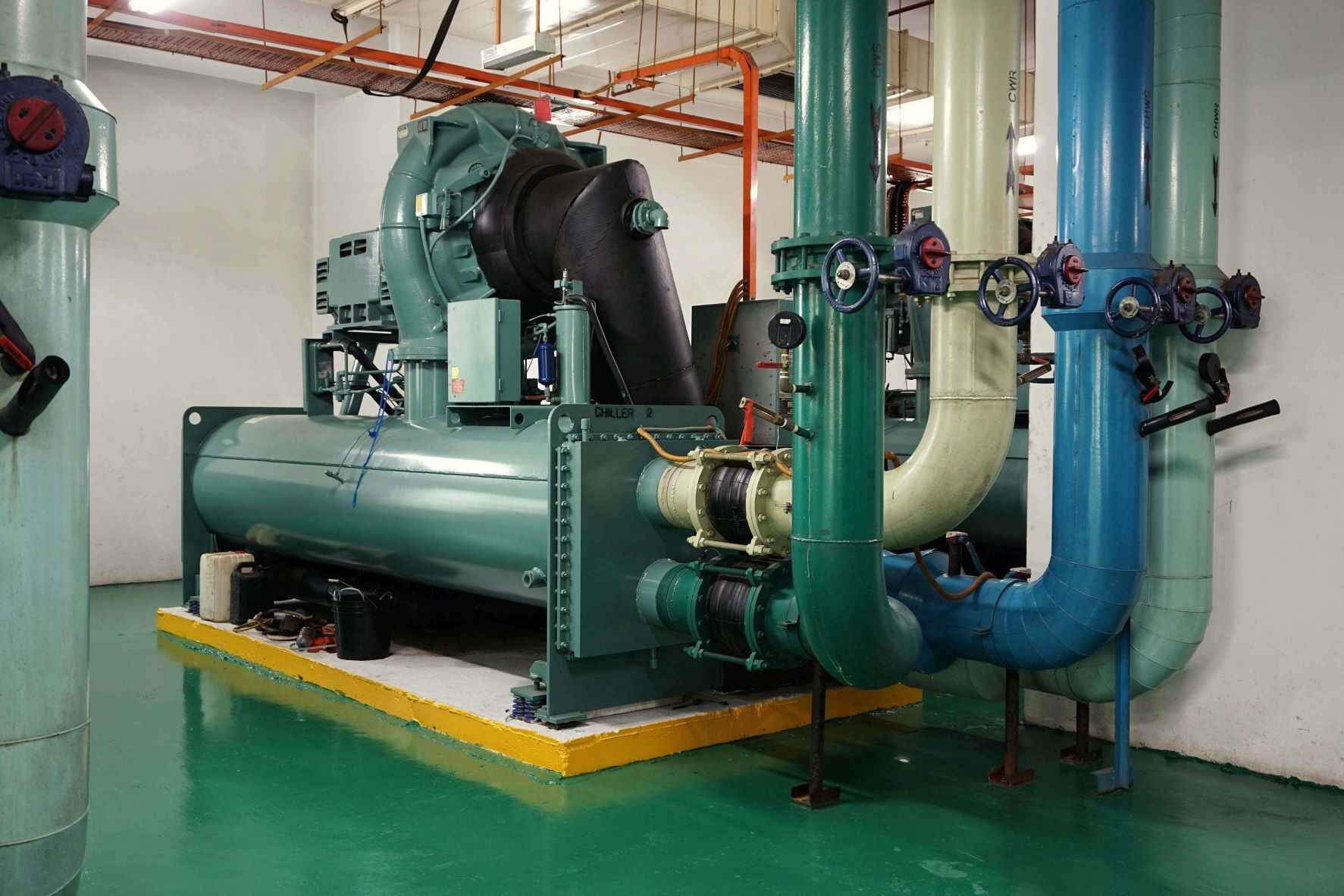


Bring us the hard one
Occupied buildings, no shutdown window, a survey finding with a deadline, a plant nobody wants to touch. That is the work we are built for.