
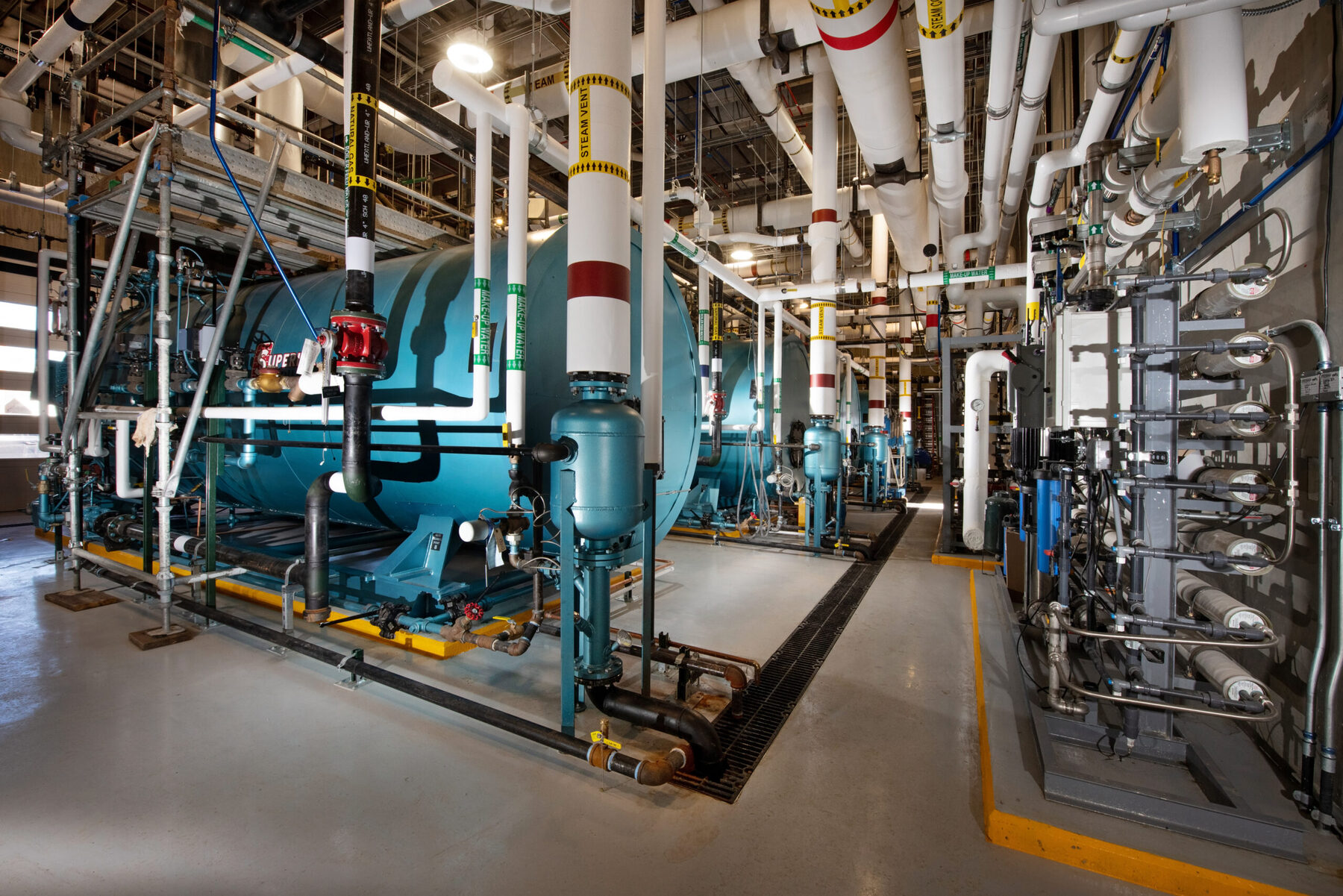
Mechanical systems for buildings that can’t shut down
HVAC central plants, building automation, welded process piping and steam — engineered, installed and serviced inside working hospitals, laboratories, federal facilities and large commercial buildings across San Diego County.
Family-owned since the 1960s
Federal & DoD facility work
Certified prevailing wage payroll
Live dispatch, no answering service
One contractor for the whole mechanical system
Most mechanical problems in institutional buildings are not equipment problems — they are coordination problems. A controls vendor blames the pipefitter, the sheet metal sub blames the engineer, and the owner pays for the gap.
Cooper Mechanical self-performs HVAC equipment, DDC controls, welded and process piping, steam and sheet metal with our own crews. One submittal package, one schedule, one warranty, and one foreman accountable for the whole system doing what it was designed to do.
We have been doing it in San Diego for three generations — long enough that the plants we maintain today are frequently plants our crews originally installed.
Occupied-facility discipline
We cut over chiller plants, boilers and air handlers inside working hospitals and labs — infection-control barriers, ICRA permits, pressure monitoring, night and weekend switchovers, and no interruption to patient care or a validated process.
One contractor, four trades
HVAC equipment, DDC controls, welded and process piping, and steam are all in-house. Nothing gets lost between a sheet-metal sub, a controls vendor and a pipefitter — one submittal package, one schedule, one warranty.
Built for public work
Certified payroll, prevailing-wage classifications, bonding, submittals, LEED documentation and closeout that survives an audit. Our estimating and admin group has been doing federal and municipal paperwork for decades.
Third-generation crews
Journeymen who have run the same central plants for twenty years, and apprentices trained on them. Low turnover means the technician who commissioned your system is likely the one who services it.
Five disciplines, twenty-five service lines
Everything below is self-performed. Follow any line for scope, specifications and the questions owners actually ask.
HVAC Systems & Equipment
Central plants, air handling and terminal equipment — engineered, replaced and serviced in occupied buildings.
Controls, Balancing & Energy
Building automation, DDC programming, air and water balancing, and retro-commissioning that makes existing plants behave.
Piping, Steam & Fabrication
Welded and process piping, steam and condensate, medical gas, hydronics and in-house sheet metal.
Critical Facility Systems
Mechanical systems where pressure relationships, air changes and uptime are non-negotiable.
Service Programs & Project Delivery
How the work gets bought and kept running: maintenance agreements, emergency response, design-build and hard bid.
Buildings where the mechanical system is the mission
Pressure relationships in an operating room, a pressure cascade in a GMP suite, rack inlet temperature in a data center. Different sectors, same requirement: it cannot fail and it has to be documented.
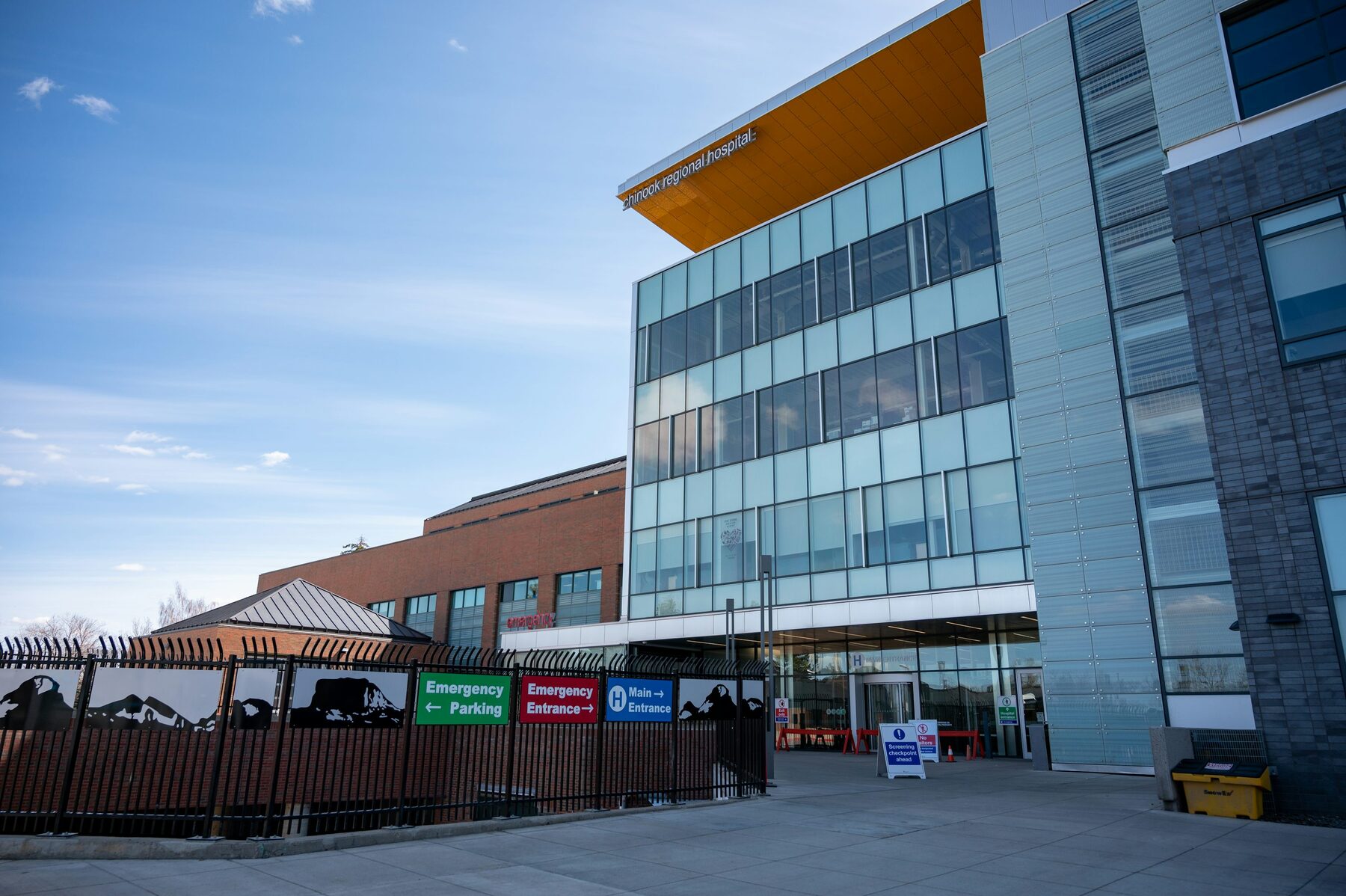
Mechanical work inside buildings that never close
Acute-care hospitals, surgery centers and medical office buildings where pressure relationships, air changes and uptime are regulated, documented and audited.
Details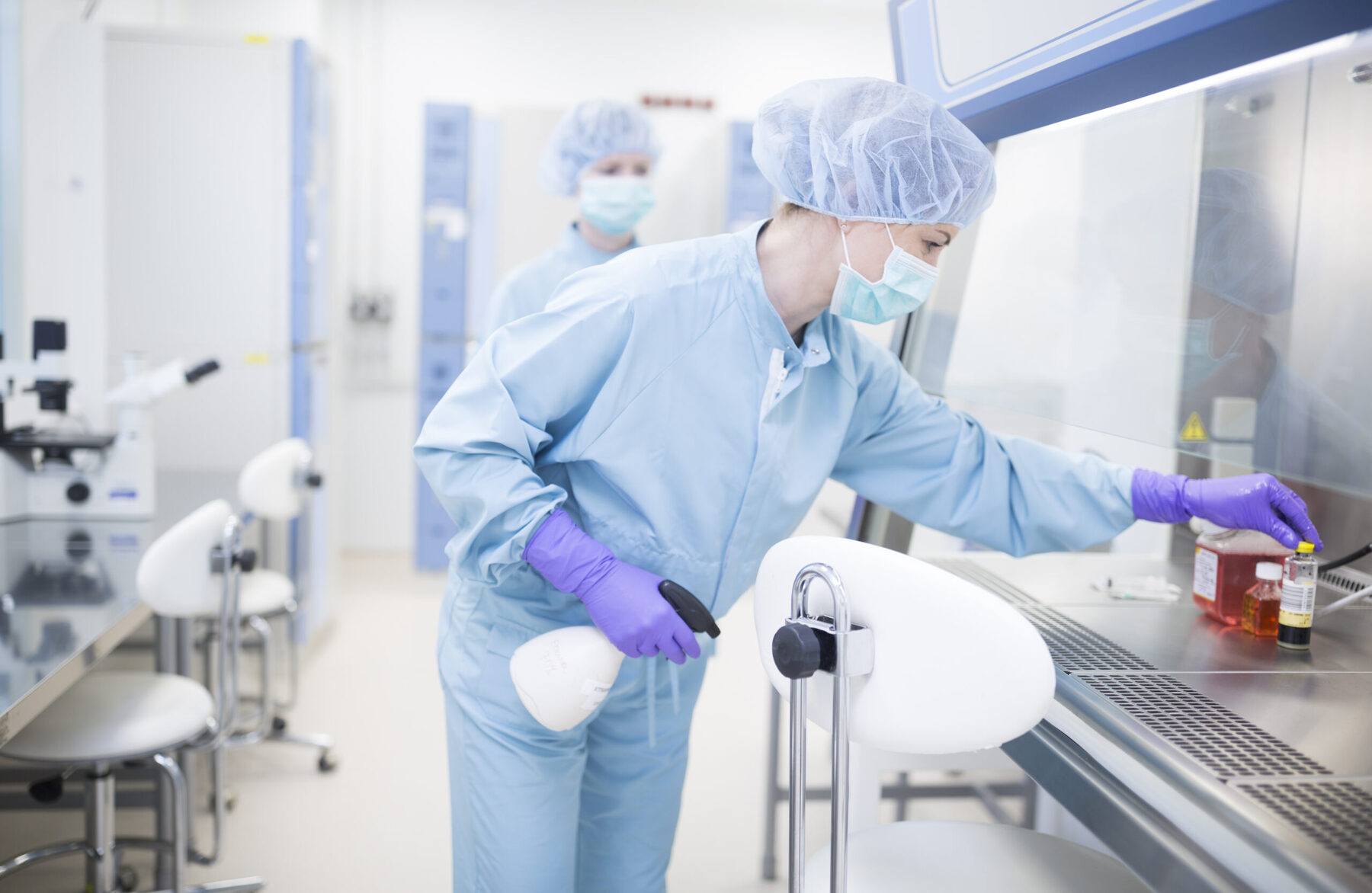
Exhaust, make-up air and pressure cascades that hold
Biotech R&D, therapeutic manufacturing and GMP cleanrooms across San Diego's life-science corridor — from shell buildouts to expansion of live production suites.
Details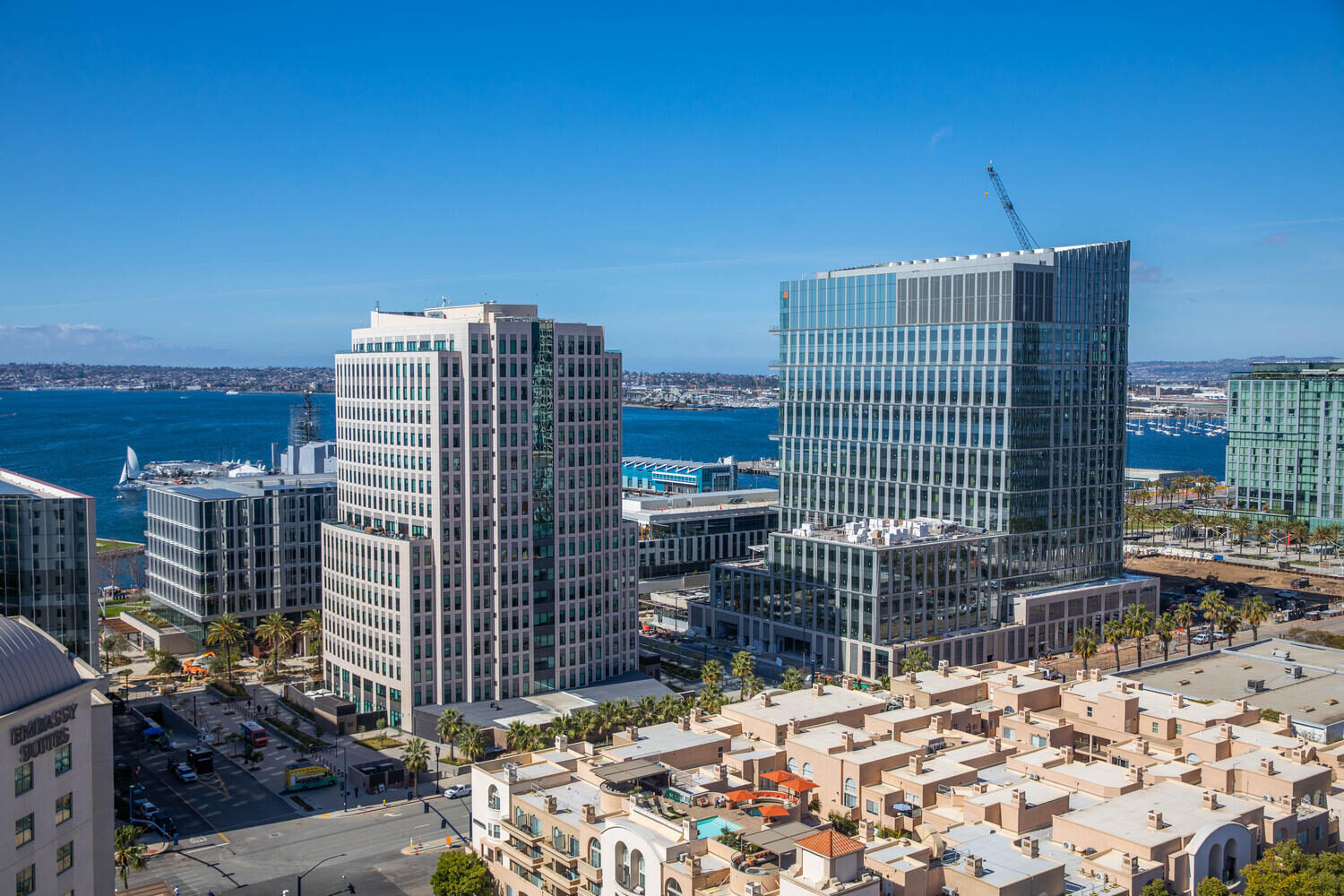
Central plants and tenant systems for large buildings
Class-A office, mixed-use, hospitality and institutional campuses — plant replacements, controls retrofits and maintenance programs for buildings measured in hundreds of thousands of square feet.
Details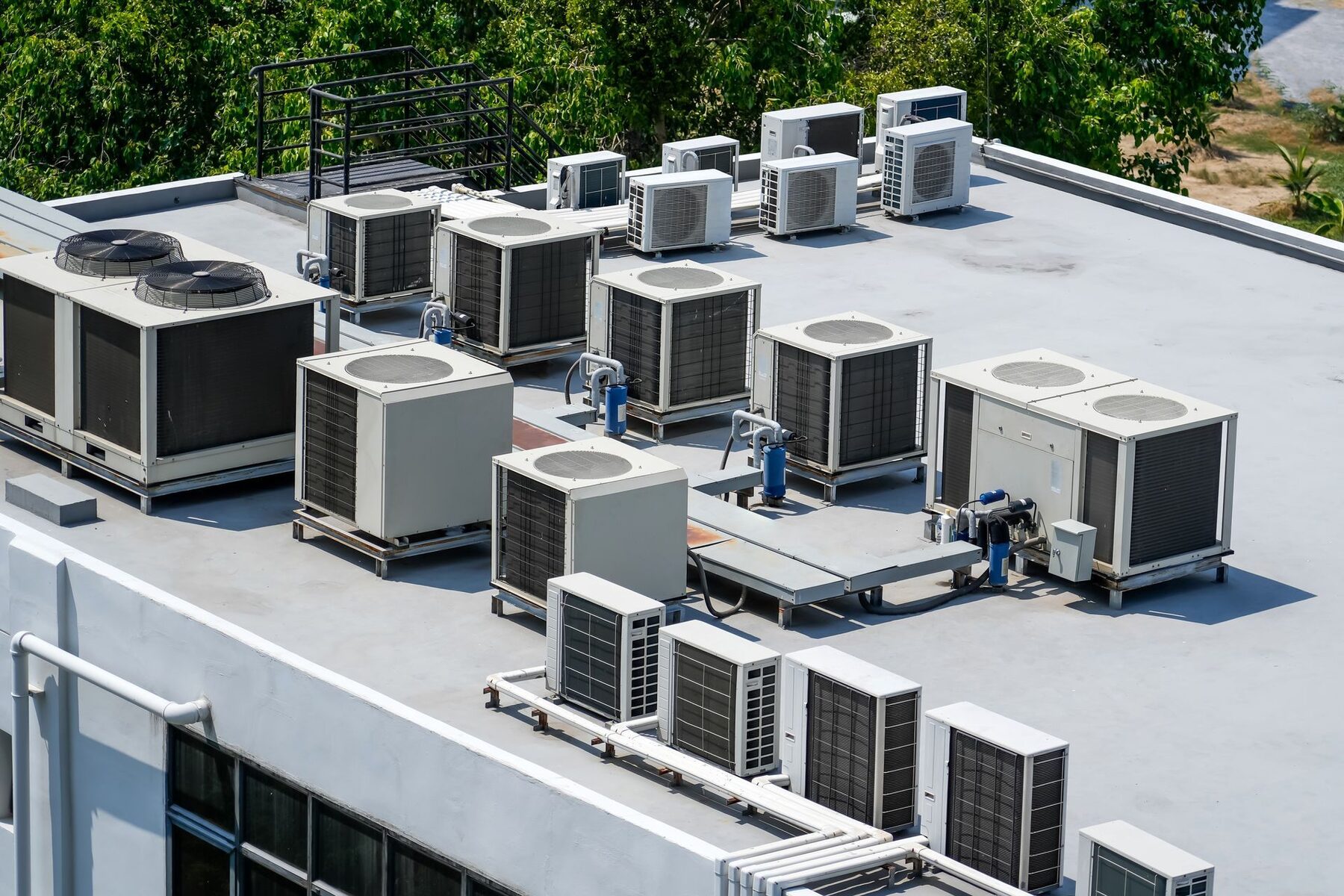
GSA, DoD and public agency mechanical work
Federal, state, county and city facilities delivered with Davis-Bacon compliance, certified payroll, bonding and closeout documentation that survives an audit.
Details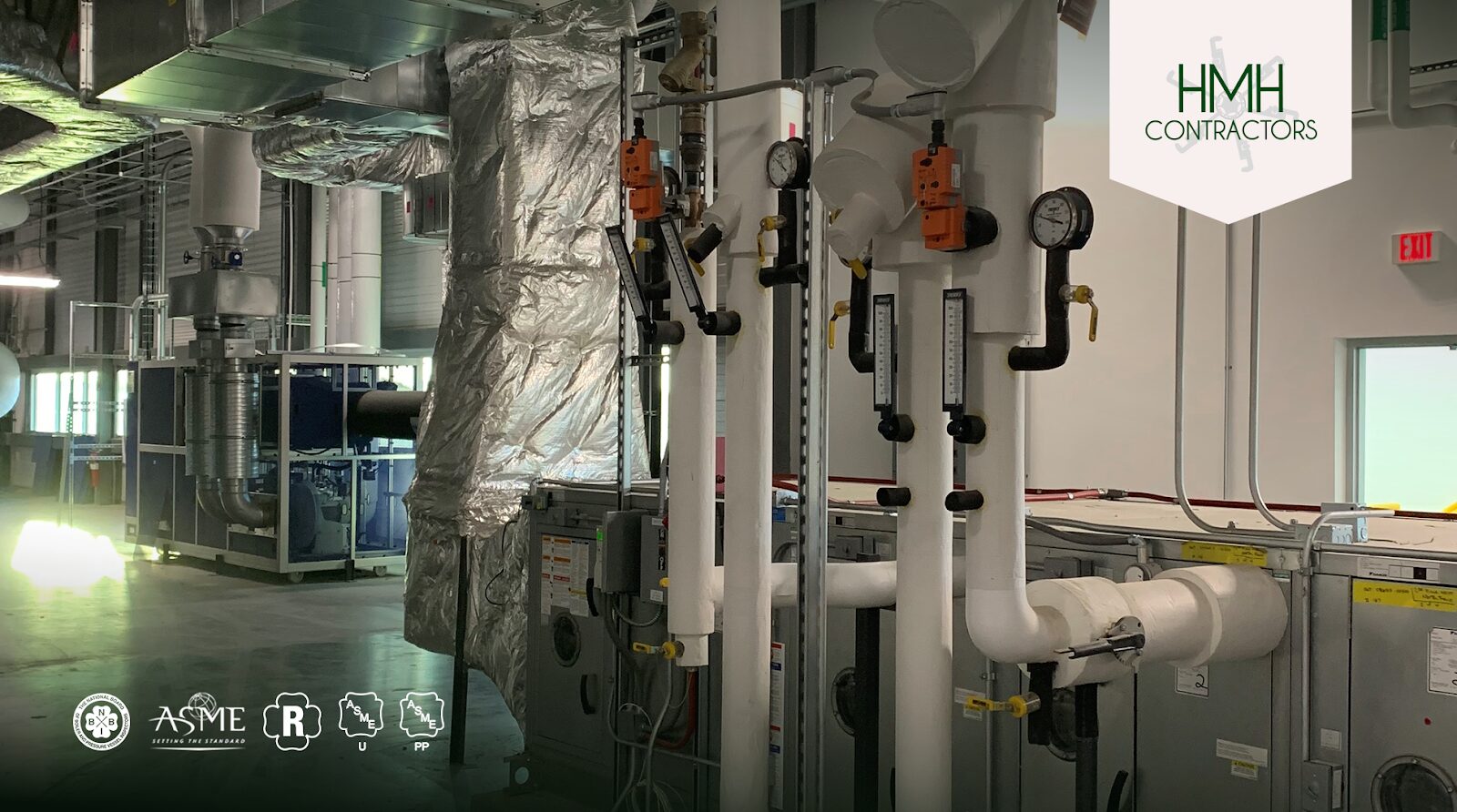
Central plants, classrooms and summer windows
K-12 districts, community colleges and universities — where the entire construction window is a summer break and the plant serves twenty buildings.
Details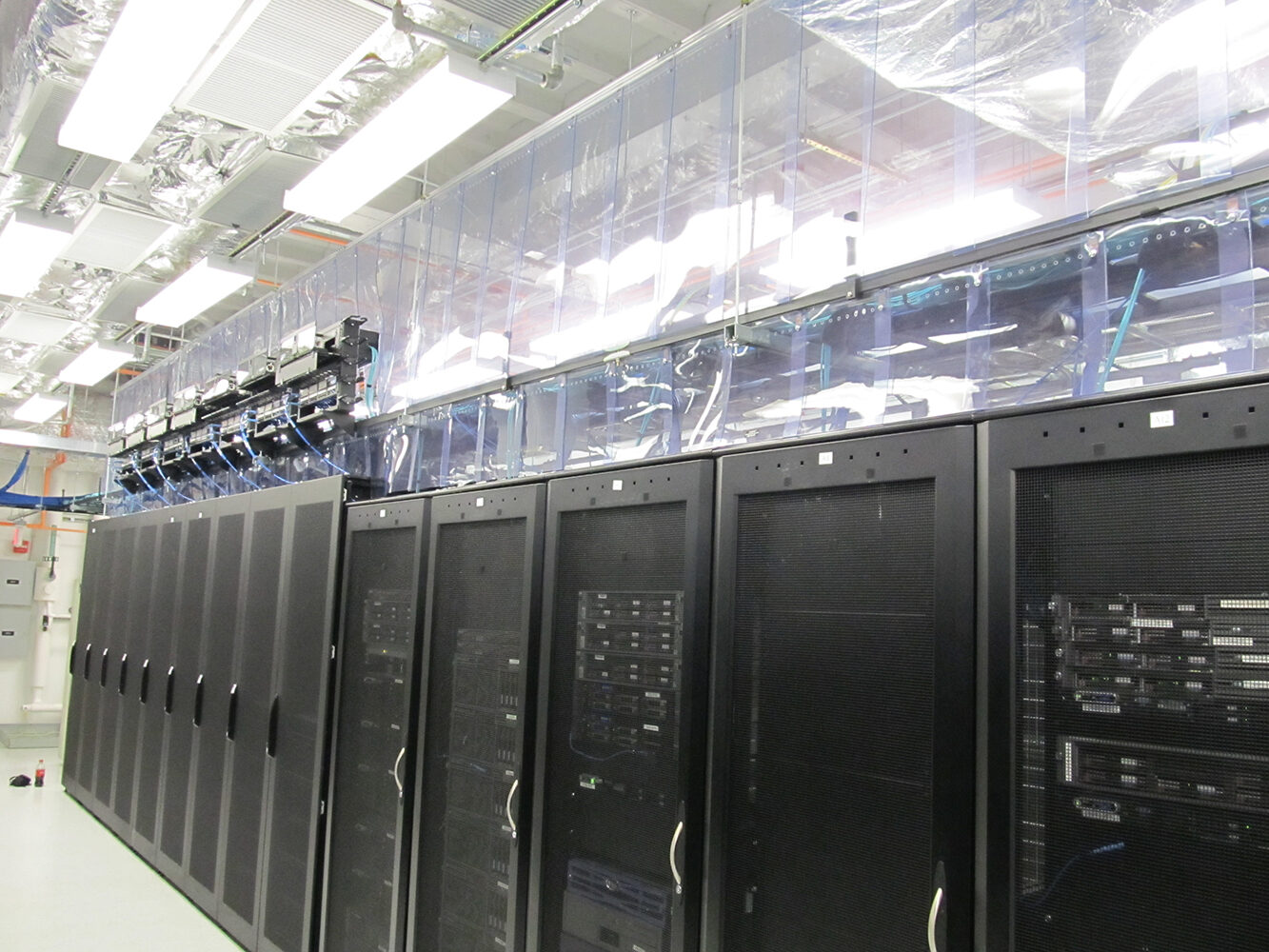
Cooling that cannot stop for maintenance
Enterprise data centers, colocation space and the IT rooms inside hospitals, labs and government buildings — where cooling is a continuous-duty utility.
DetailsSix steps, and the outage window is one of them
Retrofit mechanical work in an occupied building fails on logistics far more often than it fails on mechanical skill. So we plan the logistics first.
Walk & assess
A senior estimator and a service lead walk the plant together — nameplate data, run hours, control sequences, code exposure and what the facility can actually shut down.
Engineer the scope
Load calcs, equipment selections, piping and duct layouts, control sequences and a phasing plan. Design-build, design-assist or straight plan-and-spec bid, whichever the project calls for.
Fabricate & stage
Spools, headers and duct are fabricated and staged ahead of the outage so field time is assembly, not discovery. Long-lead equipment released early against the schedule.
Execute the cutover
Rigging, tie-ins, temporary cooling or heat where required, and the switchover on the window we committed to — usually nights, weekends or a planned facility shutdown.
Start up & document
Startup, TAB, controls point-to-point, functional testing, O&M manuals, as-builts, certified payroll and training for your plant operators.
Maintain it
A preventive maintenance agreement with the same crew, plus 24/7 emergency coverage and trended data from the BAS so you see failures coming.
Projects, and what actually made them hard
Client names are withheld where the facility asked. The constraints are real.
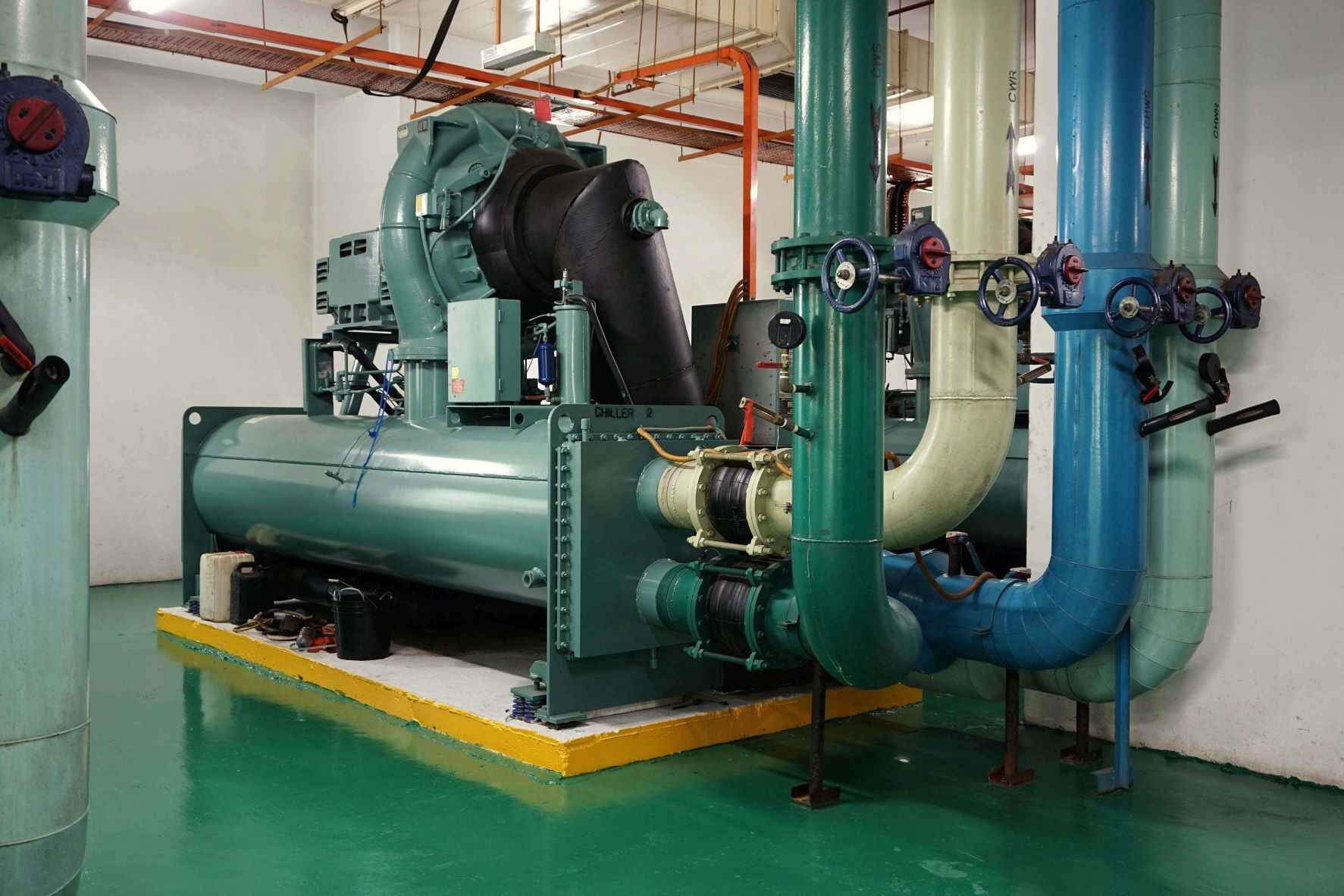
Central Chiller Plant Replacement, Acute-Care Hospital
Two 800-ton chillers, towers, primary/secondary pumping and plant controls replaced across two summers without a single loss of cooling to the surgical tower.
DetailsGMP Cleanroom Suite Buildout, Therapeutic Company
ISO Class 7 and 8 manufacturing suites built into shell space — 100% outside air, pressure cascade, HEPA ceilings and process piping delivered against a fixed occupancy date.
Details
Building Automation Retrofit, Federal Office Building
Pneumatic and orphaned proprietary controls across nine floors replaced with open BACnet DDC — occupied throughout, Davis-Bacon compliant.
DetailsBuilt for work that gets audited
Certified payroll, prevailing-wage classifications, bonding, submittals and closeout documentation that survives review — plus the field certifications the work itself requires.
- DIR registered · Davis-Bacon and California prevailing wage
- Bid, performance and payment bonds available
- GSA and federal facility experience, including badging and escorted access
- ICRA-trained crews for healthcare and classified space
Mechanical emergency right now?
Chiller down, boiler out, steam leak, critical cooling loss — dispatch is staffed 24/7 and answered by people who work on plants.
Out of Miramar, across San Diego County
Our shop and service fleet run out of Miramar, which puts crews within reach of the hospital systems downtown and in Hillcrest, the life-science corridor in Sorrento Valley and Torrey Pines, the federal facilities across the county, and campuses from Chula Vista to Oceanside.
- San Diego
- Miramar
- Kearny Mesa
- Sorrento Valley
- La Jolla
- Chula Vista
- El Cajon
- Escondido
- Carlsbad
- Oceanside
- Imperial County
Tell us what the building is doing wrong
A senior estimator and a service lead will walk the plant with you — nameplate data, run hours, sequences, code exposure and what you can actually shut down. That walk is what makes a number real.