
Three generations of the same San Diego family in the same trade
Cooper Mechanical is a family-owned commercial and institutional mechanical contractor operating out of Miramar. We build and maintain the systems that hospitals, laboratories, federal facilities and large commercial buildings depend on.
Started as a sheet metal shop. Still run by the family.
A lot of contractors in this region have been sold two or three times, and every sale takes institutional knowledge with it. We are on our third generation of the same family, and much of our field leadership has been here for most of their careers.
A shop, a truck and the trade
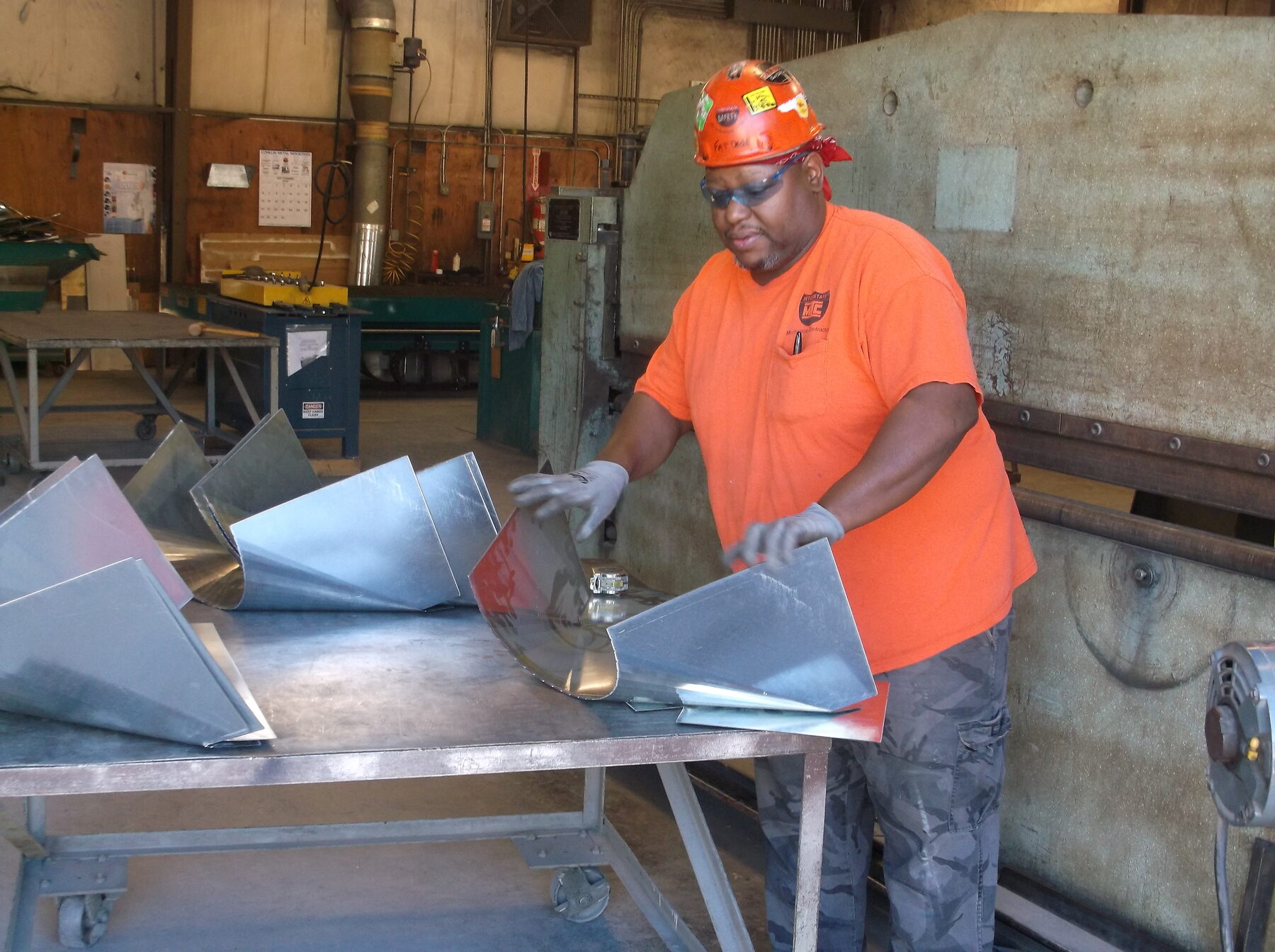
Cooper Mechanical started as a small San Diego sheet metal and pipe shop working for the general contractors building out the county. The reputation came from the same place it comes from now: showing up, doing the work right, and being the contractor a GC calls when a job is in trouble.
Into institutional work
As San Diego's hospitals, universities and federal facilities grew, the work shifted from ductwork and tenant improvements to central plants, steam systems and controls. That meant hiring pipefitters and welders who could hold a procedure, and learning to work inside occupied buildings where you cannot simply shut something off.
Controls, critical facilities, and the paper trail
Today the same family runs the company, and the work is HVAC plants, DDC controls, process and medical gas piping, and critical facility systems for hospitals, life-science and therapeutic companies, government agencies and campuses. The difference between us and a larger contractor is that the people who price your project are the people who will be on the roof.
Four reasons, and none of them are marketing
Occupied-facility discipline
We cut over chiller plants, boilers and air handlers inside working hospitals and labs — infection-control barriers, ICRA permits, pressure monitoring, night and weekend switchovers, and no interruption to patient care or a validated process.
One contractor, four trades
HVAC equipment, DDC controls, welded and process piping, and steam are all in-house. Nothing gets lost between a sheet-metal sub, a controls vendor and a pipefitter — one submittal package, one schedule, one warranty.
Built for public work
Certified payroll, prevailing-wage classifications, bonding, submittals, LEED documentation and closeout that survives an audit. Our estimating and admin group has been doing federal and municipal paperwork for decades.
Third-generation crews
Journeymen who have run the same central plants for twenty years, and apprentices trained on them. Low turnover means the technician who commissioned your system is likely the one who services it.
The rules we actually run on
Tell the owner the truth
We have talked owners out of plant replacements when retro-commissioning solved the problem for a tenth of the cost, and we have told owners a repair was throwing money at a machine that was finished. Neither conversation maximizes one invoice. Both are why clients stay for decades.
The schedule is a commitment
When we say a cutover happens Friday night and the building is back on permanent equipment Monday morning, that is not a hope. It is pre-fabrication, staged material, a rigging plan, extra manpower, and a rollback step if something goes wrong.
Documentation is part of the work
TAB reports, pressure logs, sequences, as-builts, valve tags, O&M manuals and operator training. If your facilities team cannot run and prove the system after we leave, the project is not finished — regardless of what the equipment is doing.
Keep the crews
Low turnover is a technical advantage, not an HR statistic. The technician who commissioned your chiller plant knowing its quirks is worth more than any diagnostic tool, and we have journeymen who have run the same buildings for twenty years.
Six steps, start to maintenance
The same sequence whether it is a single rooftop unit or a 1,600-ton plant replacement across two summers.
Walk & assess
A senior estimator and a service lead walk the plant together — nameplate data, run hours, control sequences, code exposure and what the facility can actually shut down.
Engineer the scope
Load calcs, equipment selections, piping and duct layouts, control sequences and a phasing plan. Design-build, design-assist or straight plan-and-spec bid, whichever the project calls for.
Fabricate & stage
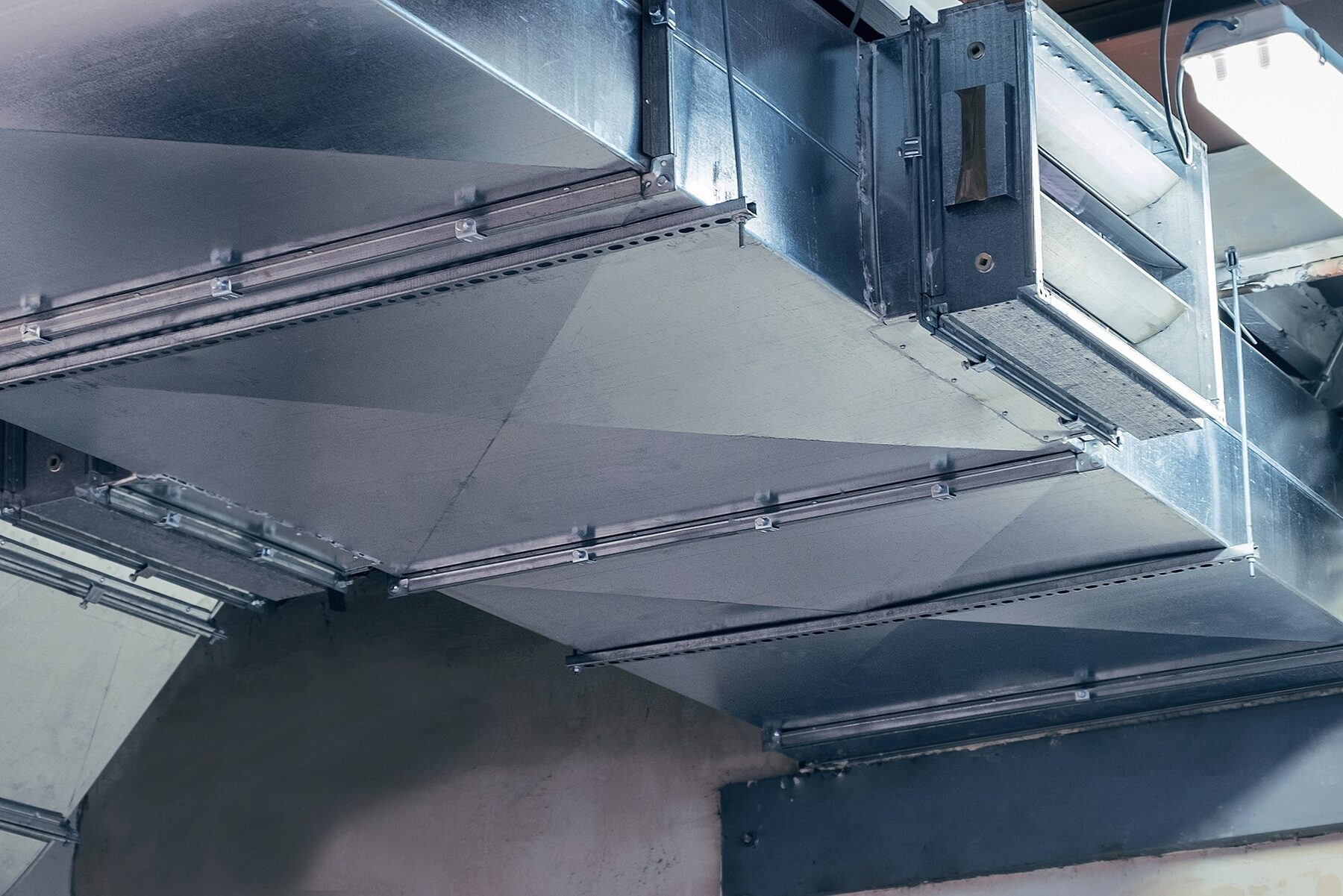
Spools, headers and duct are fabricated and staged ahead of the outage so field time is assembly, not discovery. Long-lead equipment released early against the schedule.
Execute the cutover
Rigging, tie-ins, temporary cooling or heat where required, and the switchover on the window we committed to — usually nights, weekends or a planned facility shutdown.
Start up & document
Startup, TAB, controls point-to-point, functional testing, O&M manuals, as-builts, certified payroll and training for your plant operators.
Maintain it
A preventive maintenance agreement with the same crew, plus 24/7 emergency coverage and trended data from the BAS so you see failures coming.
Nobody gets hurt, and nothing gets contaminated
Our work happens above occupied corridors, inside live electrical rooms, on roofs, in confined spaces and next to patients. Safety planning is the first item on every job, and infection control discipline is treated with the same seriousness.
- OSHA 30 certified supervision on institutional projects
- Job hazard analysis and daily pre-task planning
- ICRA training for healthcare and classified space
- Hot work, confined space and above-ceiling permit compliance
- ASME Section IX qualified welding procedures
- ASSE 6010 certified medical gas brazers
CA Lic. #967573 (B-General / C-20)
Licensed, bonded and insured in California. Certificates, bonding capacity and safety records available on request for prequalification.
Come look at what we’ve built
We would rather walk you through a plant we installed than hand you a brochure. Ask for references in your own sector — hospital facilities directors, life-science site managers, agency project officers.