
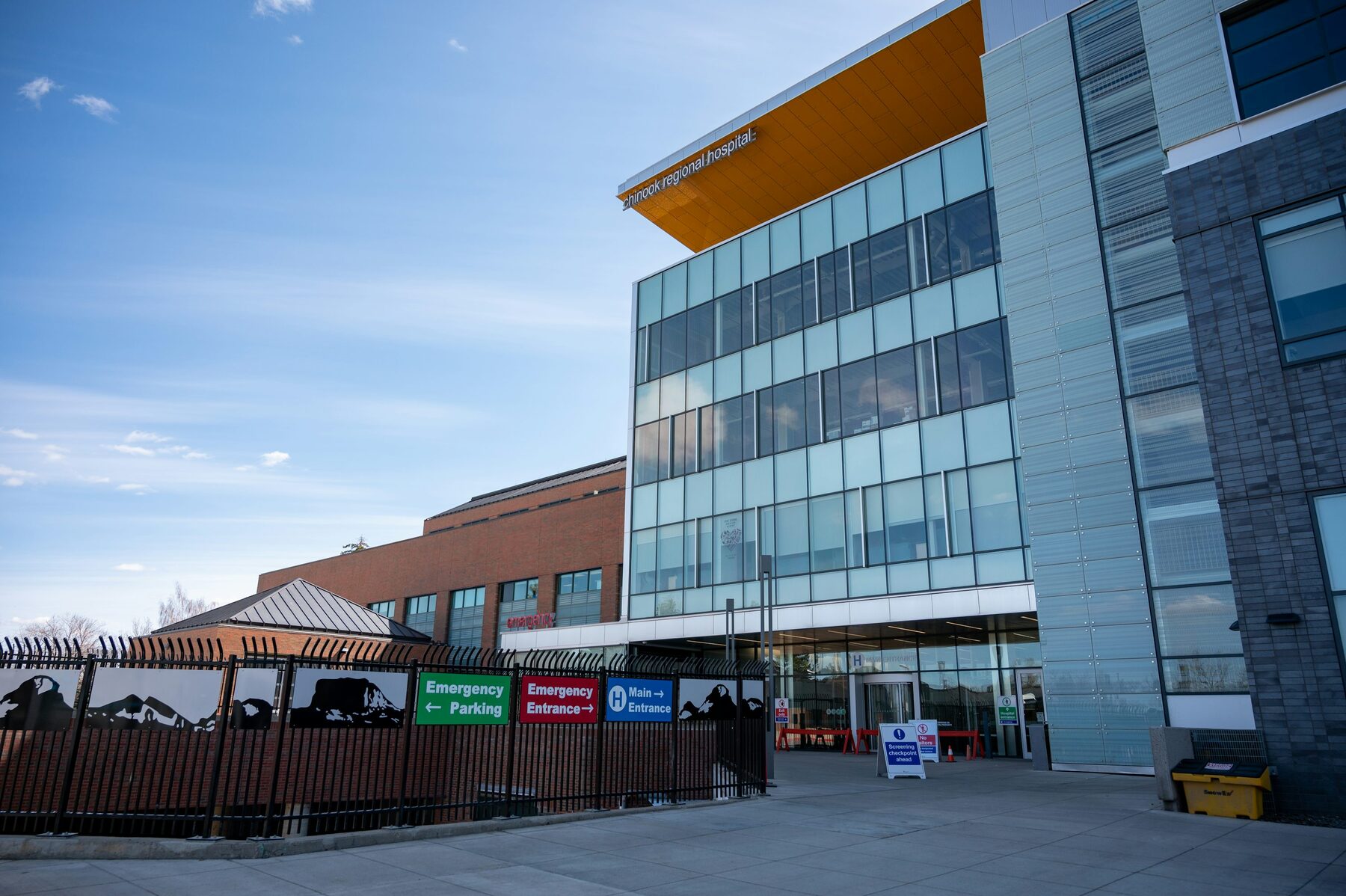
Hospital & Healthcare HVAC Contractor
Mechanical work inside operating acute-care facilities — pressure relationships, air changes and infection-control phasing that survive a survey.
Hospital mechanical work is a different trade than commercial HVAC. The equipment looks similar; the rules around it are not. Operating rooms, isolation rooms, sterile processing, pharmacy compounding and imaging suites each carry their own air change rate, pressure relationship, filtration level and temperature/humidity band — and those parameters have to hold while the department stays open and while an infection-control team watches the work.
CMI has worked in San Diego hospitals for three generations. We replace air handlers, chillers, boilers, steam equipment and controls in occupied acute-care buildings, and we plan the work the way the facility needs it planned: negative-pressure containment, HEPA-filtered work areas, ICRA-driven barriers and anterooms, department-by-department shutdown windows negotiated with clinical staff, temporary cooling and temporary air where a space cannot lose conditioning, and night and weekend cutovers when that is the only window that exists.
The other half of hospital work is paper. We turn over pressure relationship logs, air change calculations, TAB reports, filter and coil documentation, valve and damper tags, updated sequences and as-builts — so when a survey asks how a room proves compliance, the facilities department has the answer in a binder instead of scrambling. That documentation discipline is why healthcare clients keep us on their approved-contractor lists for decades.
Scope & capabilities
- AHU, chiller, boiler and steam equipment replacement in occupied acute-care buildings
- Pressure relationship verification, room differential monitoring and corrective work
- ICRA-compliant containment: negative-pressure enclosures, HEPA machines, barriers, anterooms
- Medical gas and steam sterilizer piping performed by the same crew (see medical gas piping)
- Phased shutdown planning with clinical, EVS and infection-prevention stakeholders
- OR, isolation (AII/PE), sterile processing, pharmacy and imaging suite airflow work
- Air change rate verification and coil/fan capacity remediation to meet required ACH
- Temporary cooling, temporary air handling and load-shedding plans during cutovers
- Controls, TAB and retro-commissioning to document final conditions
The technical envelope
- Occupied work
- Standard — departments stay open through phased cutovers
- Containment
- ICRA-driven negative pressure, HEPA filtration, hard and soft barriers
- Documented parameters
- ACH, pressure differential, temperature, humidity, filtration
- Shutdown windows
- Nights, weekends and department-negotiated outages
- Turnover package
- TAB report, pressure logs, sequences, as-builts, O&M and training
Facility types
Hospital HVAC — straight answers
- Can you replace an air handler that serves an operating room without closing the OR?
- Sometimes — it depends on whether the OR can be served temporarily and whether the unit is dedicated or shared. On dedicated OR units we usually need a scheduled department outage, and we compress it as far as physically possible with pre-fabrication, rigging rehearsals and around-the-clock crews. On shared units we can often stage the work so no room loses its required pressure relationship. We give you the honest version of that answer during walkthrough, not after award.
- Do you handle the infection control documentation, or does our team?
- We build to the ICRA your infection prevention team issues and we supply the daily containment logs, differential pressure readings, filter change records and photo documentation. Your team owns the risk assessment; we own proving we complied with it.
- Are your crews familiar with hospital access and interim life safety requirements?
- Yes. Badging, escort requirements, sensitive-area protocols, hot work permits, ILSM measures, above-ceiling permits and elevator/corridor logistics are routine for our foremen. Hospital work fails on logistics far more often than it fails on mechanical skill.
Get a number you can budget against
We walk the plant before we price it. You get equipment condition, options, phasing and a schedule — not a guess with a contingency wrapped around it.